Thistledown Press is a 45-year-old publishing company embarking on a new phase of its existence with a change of ownership in fall 2020. The new team at Thistledown is delighted to be an active force in the Canadian literary landscape, producing original, engaging, and thought-provoking books by new and established Canadian authors, while at the same time honouring our past as a legacy press founded in Saskatoon in 1975.
Spring 2024
-
 The Beech ForestFiction, Literary
 -
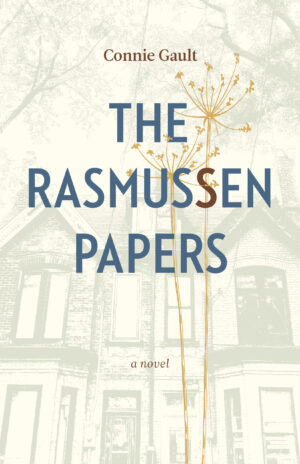 The Rasmussen PapersFiction, Literary
 -
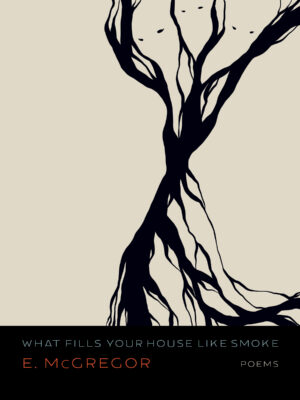 What Fills Your House Like SmokePoetry, Canadian, Family, Indigenous, Subjects & Themes
Fall 2023
-
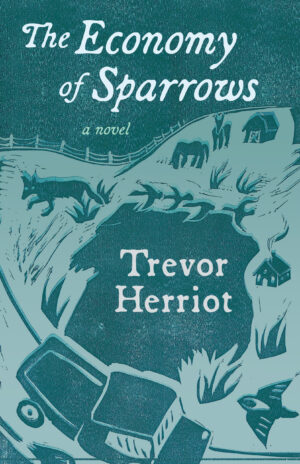 The Economy of SparrowsFiction, Literary, Nature & the Environment
 -
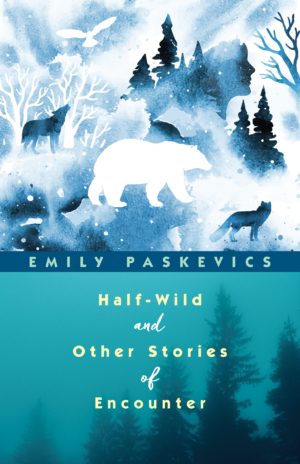 Half-Wild and Other Stories of EncounterFiction, Nature & the Environment, Short Stories (single author)
 -
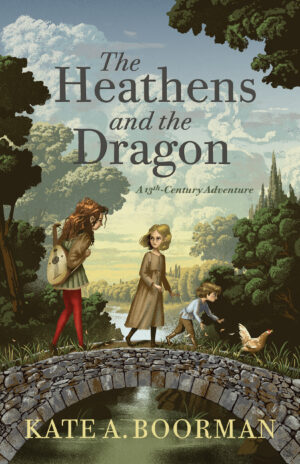 The Heathens and the DragonJuvenile Fiction, Action & Adventure, Historical, Medieval, Social Themes, Values & Virtues
Book Trailers
Recent Releases
-
 Leaving WisdomFiction, Literary
 -
 Gordie’s SkateBiography & Autobiography, Non-fiction, Sports, Juvenile Non-fiction
 -
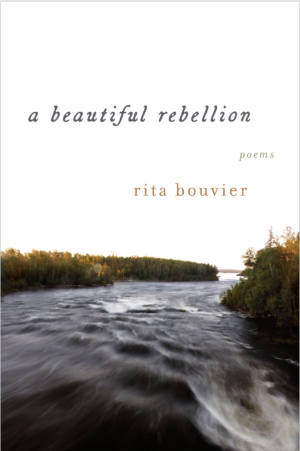 a beautiful rebellionPoetry, Canadian, Indigenous
-
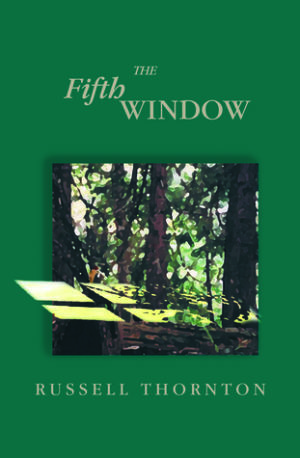 The Fifth WindowPoetry, Canadian
The Fifth Window by Russell Thornton
How many poetry books published in Saskatchewan can claim to have gone viral?
We have been pretty surprised by the sudden and huge interest in a fairly old book! The Fifth Window by Russell Thornton, published in a small print run back in 2000, was recently the subject of a viral TikTok and now thousands of people around the globe have been looking for it. With the renewed interest we decided to reprint the book.
Please find further details about the book and the author, as well as ordering information, here.